Exactly How Waterproofing Functions: A Comprehensive Consider Techniques and Technologies
Waterproofing is necessary for shielding structures from moisture-related damages. It entails different techniques and modern technologies that develop barriers against water intrusion. Standard methods, such as compacted clay, exist side-by-side with modern-day technologies like liquid-applied membranes. Understanding the nuances of these methods is important for efficient application. However, the effectiveness of any waterproofing remedy copyrights not just on the methods utilized however also on recurring upkeep and inspection. What are the vital elements that influence lasting performance?
Comprehending the Fundamentals of Waterproofing
Waterproofing is a crucial procedure that secures frameworks from water invasion, which can cause significant damage in time. This technique involves the application of different materials and techniques made to produce a barrier versus moisture. The main goal is to stop water from penetrating surfaces, which can trigger damage, mold and mildew development, and architectural instability.Various variables affect the choice of waterproofing method, including the sort of framework, its area, and ecological problems. Understanding the physics of water movement and the residential properties of various materials is crucial in picking a reliable waterproofing solution.Effective waterproofing not just safeguards buildings yet also boosts their longevity and stability. Normally, it is integrated into the design stage of building to ensure thorough defense. As awareness of water-related problems expands, the value of comprehending waterproofing principles comes to be progressively clear to designers, building contractors, and homeowner alike.
Conventional Waterproofing Techniques
Traditional waterproofing techniques have been used for centuries, relying upon reliable techniques and materials to safeguard structures from water damage. Among the oldest techniques includes using clay, which, when compacted, develops a natural obstacle versus wetness. Additionally, bitumen, a sticky, black material originated from petroleum, has actually been utilized for its waterproof residential properties, commonly applied to roofings and foundations.Another technique includes the application of lime-based plasters, which provide a breathable layer that permits wetness to leave while protecting against water ingress. Thatch roof covering, a traditional technique still seen in some cultures, supplies outstanding waterproofing due to its securely loaded straw layers.Moreover, using rock and brick has actually projected, as these products are naturally resistant to water when effectively installed. On the whole, typical waterproofing techniques emphasize the relevance of selecting ideal materials and building and construction methods to improve resilience against water breach.
Modern Waterproofing Technologies
Developments in modern-day waterproofing innovations have actually transformed the means structures are shielded from water damage. Ingenious methods such as liquid-applied membranes and advanced sealants have improved the effectiveness and versatility of waterproofing remedies. These innovations enable for seamless application, reducing the danger of leaks and making sure complete protection over complicated surfaces.Moreover, the combination of clever technologies, such as dampness sensors and automated tracking systems, allows real-time assessment of waterproofing efficiency. This proactive approach promotes prompt maintenance and lowers long-term repair service costs.Additionally, developments in spray-applied finishings use quick application and outstanding bond, adjusting to different substratums while supplying durable security. Methods like polymer-modified systems better enhance adaptability and sturdiness, making them suitable for diverse environments. Overall, contemporary waterproofing modern technologies not only mitigate water intrusion but also add to the durability and sustainability of frameworks, noting a significant change in the industry.
Materials Used in Waterproofing
The effectiveness of waterproofing remedies heavily counts on the materials utilized in their application. Numerous products are employed to develop obstacles versus water access, each with distinct properties suited for various atmospheres. Typically used materials include membranes, finishings, and sealants.Liquid-applied membranes, commonly made from polyurethane or acrylic, form a seamless obstacle that adjusts to intricate surface areas. Sheet membranes, normally built from rubber or thermoplastic, offer longevity and are perfect for bigger areas. In addition, cementitious waterproofing products, made up of cementitious compounds, offer outstanding bond and flexibility.Sealants made from silicone or polyurethane are essential for joints and joints, guaranteeing detailed protection. Additionally, innovative products, such as geo-composite membranes, incorporate multiple features, enhancing efficiency. On the whole, the option of waterproofing products is essential in attaining resilient and efficient Sump pump discharge drainage Omaha water resistance, customized to specific job needs and environmental problems.
Usual Applications of Waterproofing
Waterproofing plays a vital function in different industries, making sure the longevity and integrity of frameworks. Usual applications include residential services that protect homes, industrial framework that safeguards organizations, and commercial setups that need robust defense against wetness. Recognizing these applications highlights the relevance of waterproofing in keeping both security and capability across various environments.
Residential Waterproofing Solutions
Numerous property owners face challenges with moisture intrusion, making effective residential waterproofing options crucial. Different techniques exist to address this issue, including exterior and interior waterproofing systems. Interior solutions typically include the application of sealers and finishings to basement wall surfaces, which aid stop water seepage. Outside techniques generally include the setup of water drainage systems and water-proof membranes that divert water away from the foundation.Additionally, homeowners may think about sump pumps to eliminate water accumulation and dehumidifiers to manage moisture degrees. Proper grading and using gutters likewise play an important role in taking care of water flow around the home. By carrying out these techniques, property owners can substantially reduce the risk of water damage and mold and mildew growth, ensuring a dry and secure living atmosphere.
Industrial Facilities Security
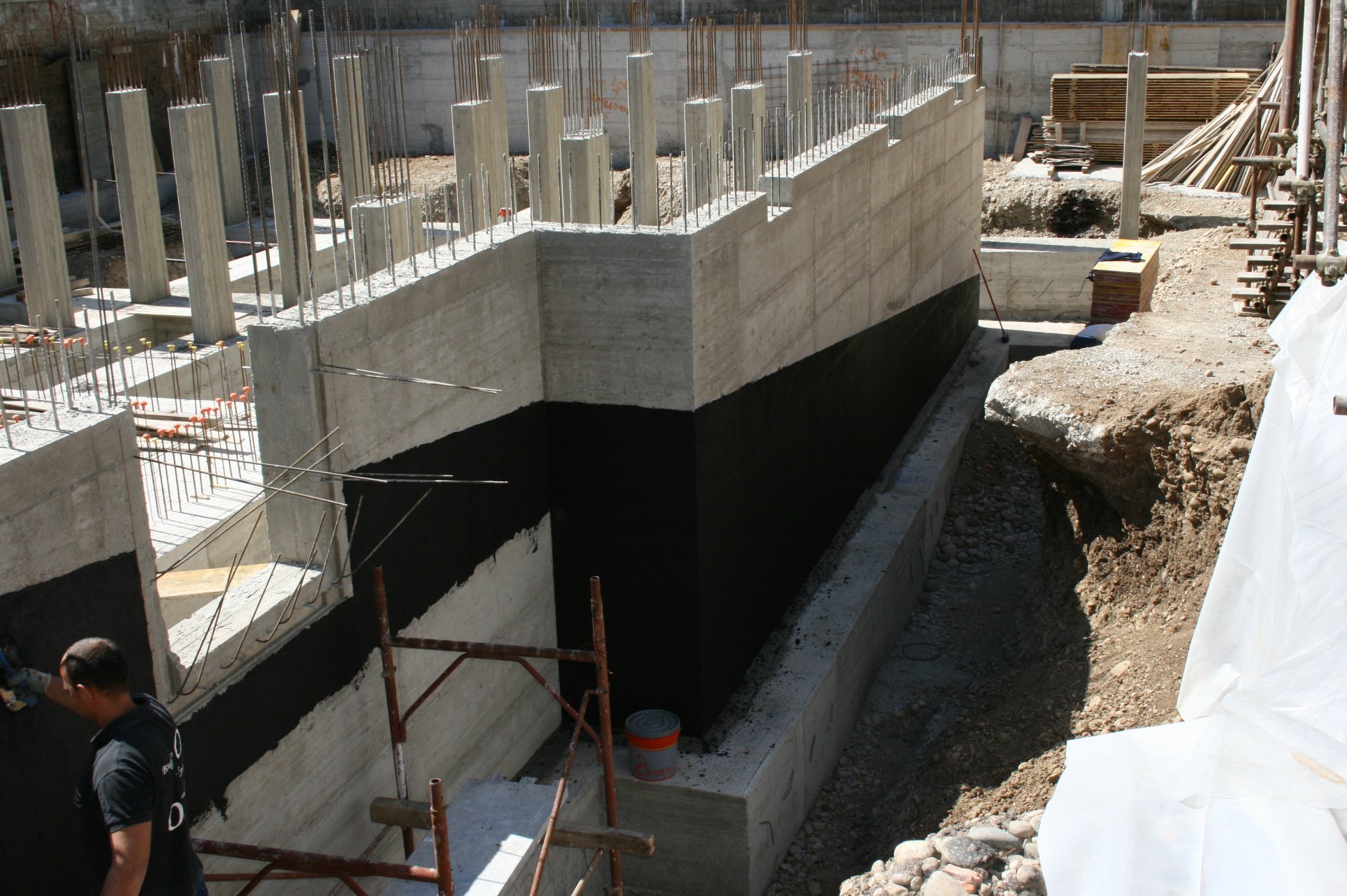
Efficient waterproofing options play a critical duty in the defense of industrial infrastructure. Sump pump installation & replacement Omaha. These techniques are essential for guarding structures, car park structures, and bridges from water damage, which can jeopardize structural stability and lead to expensive repair services. Typical applications include the installment of membranes, coatings, and sealers that develop barriers against moisture seepage. Locations such as basements, roofings, and outside wall surfaces are frequently focused on to ensure long life and durability. In addition, waterproofing systems can enhance power efficiency by preventing water-related issues that might cause mold and mildew development and deterioration. By implementing robust waterproofing measures, homeowner can protect their investments and maintain functional performance, ultimately adding to the general sustainability of industrial facilities
Industrial Applications Overview
While different markets encounter distinct difficulties, the need for reliable waterproofing solutions continues to be a constant in commercial applications. Industries such as production, building, and energy typically come across environments where moisture direct exposure can endanger structural integrity and functional effectiveness. In making facilities, waterproofing is crucial for safeguarding machinery and products from water damage. In construction, it safeguards foundations and cellars versus groundwater seepage. The power sector relies upon waterproofing for the security of devices in hydroelectric plants and overseas structures. In addition, food handling industries use waterproofing to ensure health and conformity with safety standards. Generally, reliable waterproofing services are important for enhancing toughness, safety and security, and efficiency throughout various industrial settings.
Upkeep and Longevity of Waterproofing Solutions
Waterproofing options are designed to use long-lasting protection versus dampness breach, regular maintenance is essential to ensure their effectiveness and longevity. Regular inspections play a substantial function in determining possible concerns such as splits, peeling off, or signs of water damage. Dealing with these issues immediately can prevent more degeneration and costly repairs.Additionally, cleaning the surface area of waterproofed locations helps eliminate dust and particles that might compromise the stability of the waterproofing obstacle. It's likewise a good idea to reapply protective coverings or sealers as suggested by manufacturers to maintain excellent efficiency. Environmental variables, such as UV exposure and severe weather, can impact the life expectancy of waterproofing materials, making regular evaluation vital
Often Asked Concerns
Can Waterproofing Be Applied in Cold Climate?
The concern of applying waterproofing in chilly climate increases issues concerning adhesion and curing. Many items might not carry out at their best in low temperatures, requiring careful selection and consideration of details standards for reliable application.
How Long Does Waterproofing Typically Last?
The duration of waterproofing effectiveness differs based upon products and environmental elements. Usually, it can last from 5 to 10 years, yet regular maintenance and assessments are important to ensure peak performance and long life.
Is Do It Yourself Waterproofing Effective and Safe?
The effectiveness and safety of do it yourself waterproofing depend upon various factors, including worldly high quality and application strategy. While some individuals attain sufficient results, others might run into problems that jeopardize long-term defense and architectural honesty.
What Are the Indications of Failing Waterproofing?
Indications of stopping working waterproofing consist of visible water discolorations, peeling paint, mold and mildew growth, mildewy odors, and dampness in wall surfaces or ceilings - Drainage & waterproofing company Omaha. These signs suggest compromised obstacles, requiring prompt inspection and potential remediation to stop more damages
Exactly how Do I Select the Right Waterproofing Specialist?
Comments on “Water Solutions That Withstand Omaha Weather: Storm-Proof Options”